Heat prompts warning to stay cool, refrain from unnecessary exertion

With hot temperatures in the forecast for the Fourth of July and through the middle of this week, physicians at Oregon Health & Science University encourage area residents to take extra precautions to stay cool and safe.
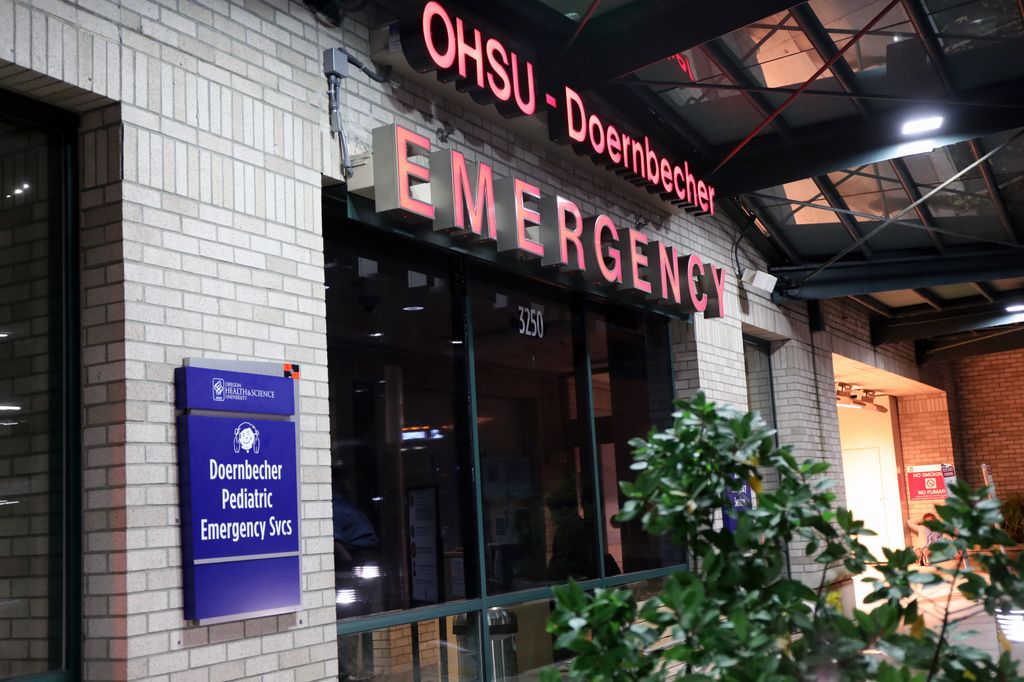
OHSU Health emergency rooms continue to see a high volume of patients. Physicians warn that it is imperative for people to take sensible steps to avoid unnecessary visits to the emergency room for heat exhaustion and heat-related illness.

“There are a lot of things that we cannot control with regard to space available in the emergency room,” said Laura Chess, M.D., M.P.H., medical director of the OHSU Emergency Department and assistant professor of critical care medicine and emergency medicine in the OHSU School of Medicine. “People can help ensure space for everyone who needs urgent care by staying hydrated and limit being outside in the middle of the day.”
Physicians say it is critical for people to find places to stay cool, practice water safety, avoid drugs or alcohol that can worsen heat-related illness, and drink plenty of water. Temperatures in the region are expected to rise to the mid-90s on the Fourth and near triple digits on Wednesday.
OHSU Hospital’s emergency department is stocked with ice packs, fans and cold saline.

“In heat like this, we see people in the emergency department who get into trouble trying to clean their yard or mow the lawn in the heat,” said Mary Tanski, M.D., chair of emergency medicine in the OHSU School of Medicine. “People overestimate their ability to get things done, and that’s really challenging for people when they are exposed to such high temperatures.”
Chess added that the risk from heat-related illness has grown with a changing climate. In addition, the region’s homelessness crisis means that many people struggle to find refuge from prolonged heat exposure.
“We are certainly seeing more cases of heat-related illness,” Chess said.
Heat illness can be quite serious, especially for older adults, young children and people with underlying medical conditions such as heart disease and diabetes.
Prolonged exposure to heat can also affect anyone who does not have access to air conditioning.
- Signs of heat exhaustion: Dizziness, weakness, heavy sweating, rapid weak pulse, nausea or vomiting, pale and clammy skin, muscle cramps and shallow breathing.
- Signs of heat stroke: Throbbing headache, confusion, rapid strong pulse, seizures, red and hot skin, body temperature above 104 degrees and loss of consciousness.
Finding a cool place
If you don’t have air conditioning, or you’re unable to stay cool, it’s important to find relief from prolonged heat. In the Portland metro area, cooling resources can be found at the following sites:
- City of Portland – portland.gov/united/stay-safe-during-heat
- Clackamas County – clackamas.us/relief
- Columbia County – columbiacountyor.gov/departments/PublicHealth/hot-weather-and-extreme-heat
- Multnomah County – multco.us/help-when-its-hot
- Washington County – staycoolwashingtoncounty.com