Viewpoint: Brain health diplomacy is a framework for the global challenge of brain health equity

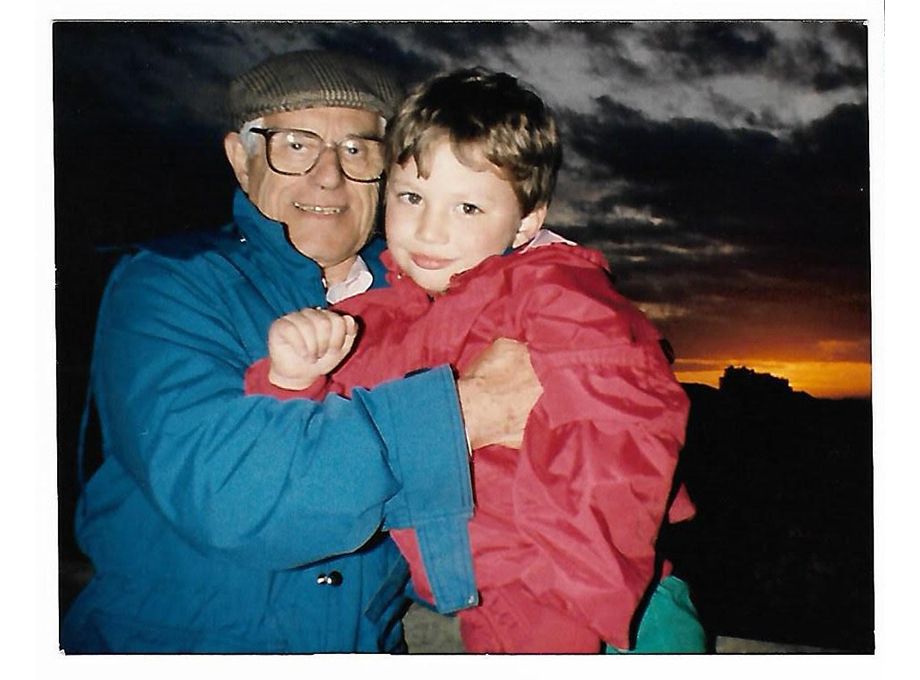
As an 8-year-old boy growing up in rural Oregon in the 1990s, I abruptly found myself in the role of care partner for my father when he was diagnosed with Alzheimer’s disease. Like millions of other people in the United States and around the world, our family learned firsthand the importance of maintaining brain health when possible, and supporting care partners who too often lack the help they need to navigate the journey with dementias. Today, I draw on my lived experience as a policy researcher with a mission to address the challenges of dementia that affect almost all families sooner or later.

In fact, maintaining and improving brain health is one of the most important challenges facing humanity. Global inequities in brain health are high and growing across many regions of the world. The multiple impacts of mental health disorders, substance use, stroke, brain injury and dementia are all clear threats to our individual and collective brain health. What is less well understood are the threats that major global challenges such as climate change, war and armed conflicts, unrestricted artificial intelligence, or AI, and the residual effects of the COVID-19 pandemic pose to brain health. These threats cut across all parts of society and ages, including here in Oregon, and demand far greater cooperation and collaboration within and across national borders to address the urgent threats to the brain and move toward a focus on brain well-being.
In early 2021, a multinational, multidisciplinary group of leading experts from neuroscience, health policy, medicine and diplomacy launched a brain health diplomacy agenda to support the global brain health challenge, in collaboration with the Organisation for Economic Co-operation and Development’s Brain Health Diplomacy Working Group and the Latin American Brain Health Institute, known as BrainLat.
This agenda aims to improve brain performance on a global scale, ultimately achieving formal commitments from governments for policies and investments that support brain health. The importance of brain health may not yet be fully appreciated by policymakers, and is often overshadowed by the medical model, which remains focused on the treatment of disease rather than a more holistic approach to the social, political and environmental factors that also directly affect brain health across the life course.
To support this ambitious goal and to help build global support and awareness, the Brain Health Working Group endorsed the development of a prototype toolkit for emerging professionals to advance brain health diplomacy in their work, research and advocacy. In close collaboration with BrainLat — along with the World Dementia Council, the Global Brain Health Institute, Leeds Beckett University and Oregon Health & Science University’s Layton Aging and Alzheimer’s Disease Research Center — our team has developed and launched the Brain Health Diplomat’s Toolkit for Latin America and the Caribbean.
Inequities in the care and support of people living with dementia and other brain disorders within Latin America and the Caribbean region have been widely documented. Multinational, multidisciplinary collaborations are essential for efforts to mobilize resources at sufficient scale to address these needs. The Brain Health Diplomat’s Toolkit offers early career professionals a practical set of tools to strengthen their brain health capacities, promote regional, national and international collaboration, and encourage the use of effective strategies to support brain health.
The Brain Health Diplomat’s Toolkit is available in Spanish, Portuguese and English, for widest accessibility and adaptation to the complex needs of the region. This toolkit provides case studies, links to assessment tools, and a framework to operationalize collaborative partnerships that advance brain health, with the aim of driving brain-focused initiatives adapted to the region. The toolkit also focuses on issue areas such as prevention, treatment, technological innovation and care interventions, which seek to protect populations worldwide from threats to brain health throughout the life course.
This multinational, multidisciplinary approach based on a platform of diplomacy is essential to advance equity in brain health outcomes worldwide. More information on brain health diplomacy can be found at: brainhealthdiplomacy.com.
Walter Dawson, D.Phil., is an assistant professor of neurology in the OHSU School of Medicine, faculty at the Portland State University Institute on Aging, and a Senior Atlantic Fellow with the Global Brain Health Institute at the University of California, San Francisco and Trinity College Dublin. He previously served as staff on the U.S. Senate Special Committee on Aging, working on provisions of the Affordable Care Act to increase access to long-term services and supports.