Federal funding expands OHSU telehealth, peer support project for vulnerable Oregonians

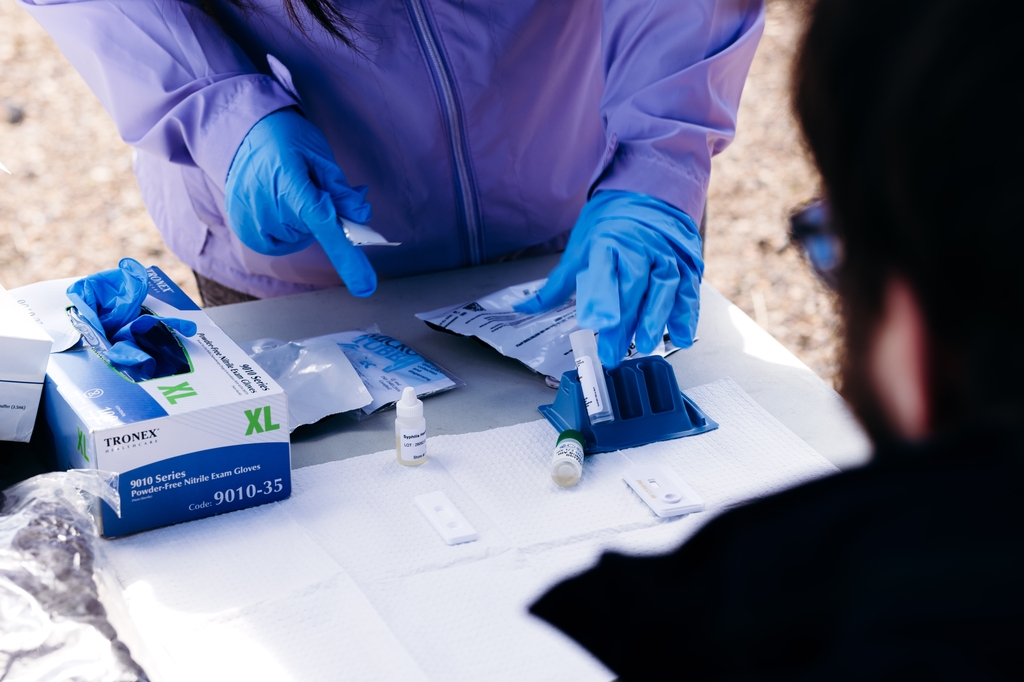
A new three-year, $7.5 million federal award will ramp up treatment and prevention of hepatitis C, HIV and substance use disorders while also addressing mental health care across Oregon.
The initiative expands a project led by Oregon Health & Science University that dramatically improved the diagnoses and treatment of people living with hepatitis C in seven rural counties across the state. The new funding, from the Substance Abuse and Mental Health Services Administration within the U.S. Department of Health and Human Services, will combine telemedicine with the support of people with lived experience in illicit drug use to transform lives, the project’s leader said.

“Over the next three years, we’re going to change the way rural people who use drugs access health care,” said Hunter Spencer, D.O., M.C.R., associate professor of medicine (general internal medicine and geriatrics) in the OHSU School of Medicine.
In a study published last year, researchers found that nearly two-thirds of people who were offered telemedicine support through peer counselors were cured of hepatitis C within six months. Those who received telemedicine support were seven times more likely to be treated for hepatitis C and four times as likely to achieve viral clearance compared with a group that was referred to an in-person clinic.
The new initiative will rely on peer counselors to reach out to vulnerable people, especially those experiencing homelessness, and connect them directly with health care professionals through a mobile tablet or smartphone.
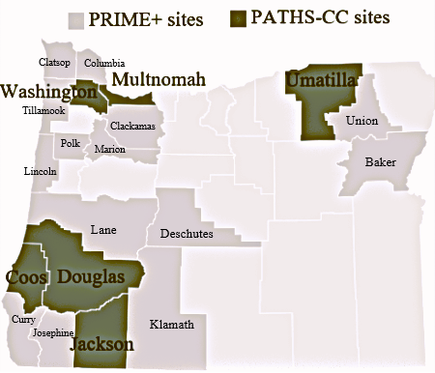
In addition to testing for hepatitis C, the new project will focus on delivering:
- HIV treatment and prevention statewide;
- Same-day medications for treating opioid use disorder to 50 participants annually;
- Access to mental health treatment and support for 100 participants per year.
The new project will provide services in 20 of Oregon’s 36 counties, with same-day hepatitis C testing and treatment available in six.

“The Oregon model of community, state and academic partnerships re-imagines health care delivery for Oregonians who need it most,” said Todd Korthuis, M.D., head of addiction medicine at OHSU and a professor of medicine (general internal medicine and geriatrics) in the OHSU School of Medicine. “Peers in the community make it easier for people to engage directly in life-saving care. That makes all of our communities stronger.”
Spencer said he anticipates a ripple effect within communities by curbing the spread of communicable diseases and providing a foothold for individuals to transform their quality of life.
Many of the people now working as peer counselors have already done just that.
Learn more about OHSU’s leadership in addiction medicine.
“Treating hepatitis C is a step on the path of improving overall health,” Spencer said. “With the peer support, we can see that people gain experience navigating a health care system, and they gain confidence and an interest in making other health-related changes. We see that it helps people move forward in making other changes in their lives.”