
For over three decades, the U.S. Centers for Disease Control and Prevention, or CDC, has recommended all babies get a dose of the hepatitis B vaccine at birth. As a result, rates of hepatitis B infection in children have dropped by about 95% in the U.S.
Recently, the CDC’s Advisory Committee on Immunization Practices voted to end this universal recommendation, instead recommending the vaccine is only given for infants born to women who test positive for the virus or whose status is unknown.
At Oregon Health & Science University, the health of patients — especially the very youngest, most vulnerable patients — is the top priority. OHSU will continue to follow the scientific evidence and public health best practices regarding the safety and efficacy of vaccines.
OHSU remains aligned with the American Academy of Pediatrics and the West Coast Health Alliance, which have asserted that this federal advisory panel’s decision to roll back the hepatitis B vaccine recommendations for newborns is dangerous and could put children at risk.
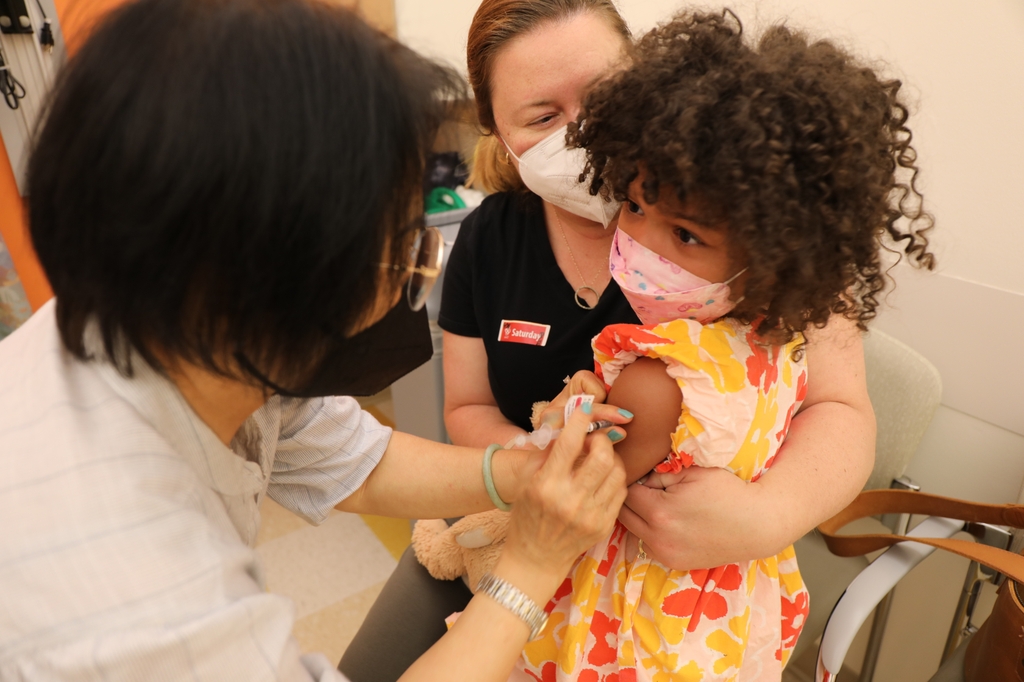
Health care providers at OHSU still strongly recommend that all babies get a first dose of hepatitis B vaccine within 24 hours of birth as part of routine care.

“Amid constant change and confusion around federal health guidance, we want to assure Oregonians that their families’ health remains our top priority,” said Ben Hoffman, M.D., professor of pediatrics in the OHSU School of Medicine, OHSU Doernbecher Children's Hospital, and former president of the American Academy of Pediatrics.
“We have decades of scientific research showing the hepatitis B vaccine is safe and effective when given at birth,” he said. “I would not recommend a vaccine I didn’t feel was safe for myself or my own family. Both my wife and I are pediatricians and have made certain our children are immunized.”
A recent study, not yet peer-reviewed, led by Eric Hall, Ph.D., assistant professor in the OHSU-PSU School of Public Health, highlights that even short delays in hepatitis B vaccination leads to more infections, severe long-term health complications, and sharply increased health care spending.
For more information about hepatitis B and how the vaccine protects against infection, see answers to some commonly asked questions below.
Questions and answers
What is hepatitis B?
Hepatitis B is a virus that infects the liver and can lead to severe, lifelong health problems, including liver damage, liver failure, liver cancer, or even death. It is the world’s most common serious liver infection; in the United States, up to 2.4 million people suffer from chronic hepatitis B infection.
How can infection be prevented?
The hepatitis B vaccine not only prevents short-term illness from the virus, but also a life-threatening infection called chronic hepatitis B. It has been tested extensively for safety and efficacy. The vaccine is more than 95% effective at preventing the disease in children and adults, and most people who get vaccinated against hepatitis B are immune for life.
Why is a first dose of the vaccine recommended at birth?
Hepatitis B is highly contagious and spreads when blood or other body fluids from an infected individual get into the body of someone who isn't infected, like an infant. Because people may not know that they are infected with the virus, newborns need the hepatitis B vaccine soon after birth because they could be unknowingly exposed during labor or shortly after coming home.
To ensure long-term protection, the hepatitis B vaccine is given as a three-dose series with the second dose given at 1 to 2 months and the final dose at 6 to 18 months.
What are the risks of a hepatitis B infection?
Newborns infected with hepatitis B at birth and infants infected in the first year of life have a 90% chance of developing chronic hepatitis B, and 25% of those who develop chronic hepatitis B will die from the disease. New research shows even short delays in vaccination lead to substantially more infections and severe long-term health complications.
Why are vaccines recommended for children?
Children are born with robust immune systems that can fight most germs, but some viruses and bacteria can cause especially serious or even deadly diseases. Vaccines help the immune system make antibodies that specifically protect children from contracting diseases, and vaccines also reduce the risk of severe illness if children do become sick. Vaccines help the immune system learn about potential threats and teach the body to prevent diseases before an infection can occur.
Vaccines are like security updates for phones or computers: They are security updates for immune systems.
Vaccines not only protect children and families; they also help prevent the spread of illness to friends, loved ones and the wider community. All vaccines given at OHSU are recommended by the American Academy of Pediatrics, have been extensively tested for efficacy and safety, and are continually monitored by doctors and scientists to ensure that children, families and communities are protected from severe, preventable diseases.
If you have questions about vaccination, you’re encouraged to speak with your health care provider.