OHSU in the news

Oregon public policy fails in response to addiction crisis, panelists say

The Lund Report January 30, 2019
Honora Englander, M.D., serves as panelist in Oregon Health Forum, where she said the following: “In addiction, we shame people and we blame them. We don’t say, ‘Someone’s returned to use, or your drug screen shows they’re using multiple substances; what supports can we put around them?’ Instead, people get kicked out of treatment.”

What if you were your own blood donor for surgery?

HealthDay January 29, 2019
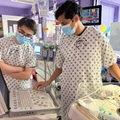
Eric Zimmermann, M.D., led research when he was at New York-Presbyterian Queens Hospital that found heart surgery patients may do better if they have their own blood recycled during their procedure.

Are psychedelics the breakthrough therapy drug?

Portland Monthly January 29, 2019
George Keepers, M.D., is quoted as saying “solid evidence” is needed before psychedelic medicine is adopted in a story about Portland becoming home to one of the first U.S. legal pilot programs to use ecstasy-assisted therapy to treat PTSD patients.

Bill thought up by elementary students aims to save lab animals in Oregon

KATU-TV January 29, 2019
Oregon Senate Bill 638 would require research organizations to make lab animals available for adoption. OHSU’s response was included in the story, noting the university “has in place a robust policy that allows some animals to be considered for adoption when certain public and environmental safety requirements are met."

Readers respond: Vaccination saves lives

The Oregonian January 28, 2019
A Letter to the Editor, written by Danny Jacobs, M.D., M.P.H., addresses the need widespread vaccination. He says, “Individuals who decline vaccination for nonmedical reasons are endangering the health, and in some cases the lives, of our most vulnerable citizens, including the elderly, the very young and the immunocompromised.”

Turn your head, cough, submit your DNA: Your next physical may include genetic testing

Chicago Tribune January 25, 2019
The Chicago Tribune profiles a Chicago-area health system that plans to offer extensive genetic testing to 10,000 primary care patients to determine whether they’re at higher risk of developing certain conditions; Adam Obley, Ph.D. says, “One of the things we worry about is being awash in this information, much of which we don’t know the significance of, could crowd out really important tasks primary care (doctors) need to do.”
See more stories